At 4,200 feet, Julian gets hard freezes coastal San Diego never sees. Here’s how to winterize a cabin so you don’t return to a burst pipe.
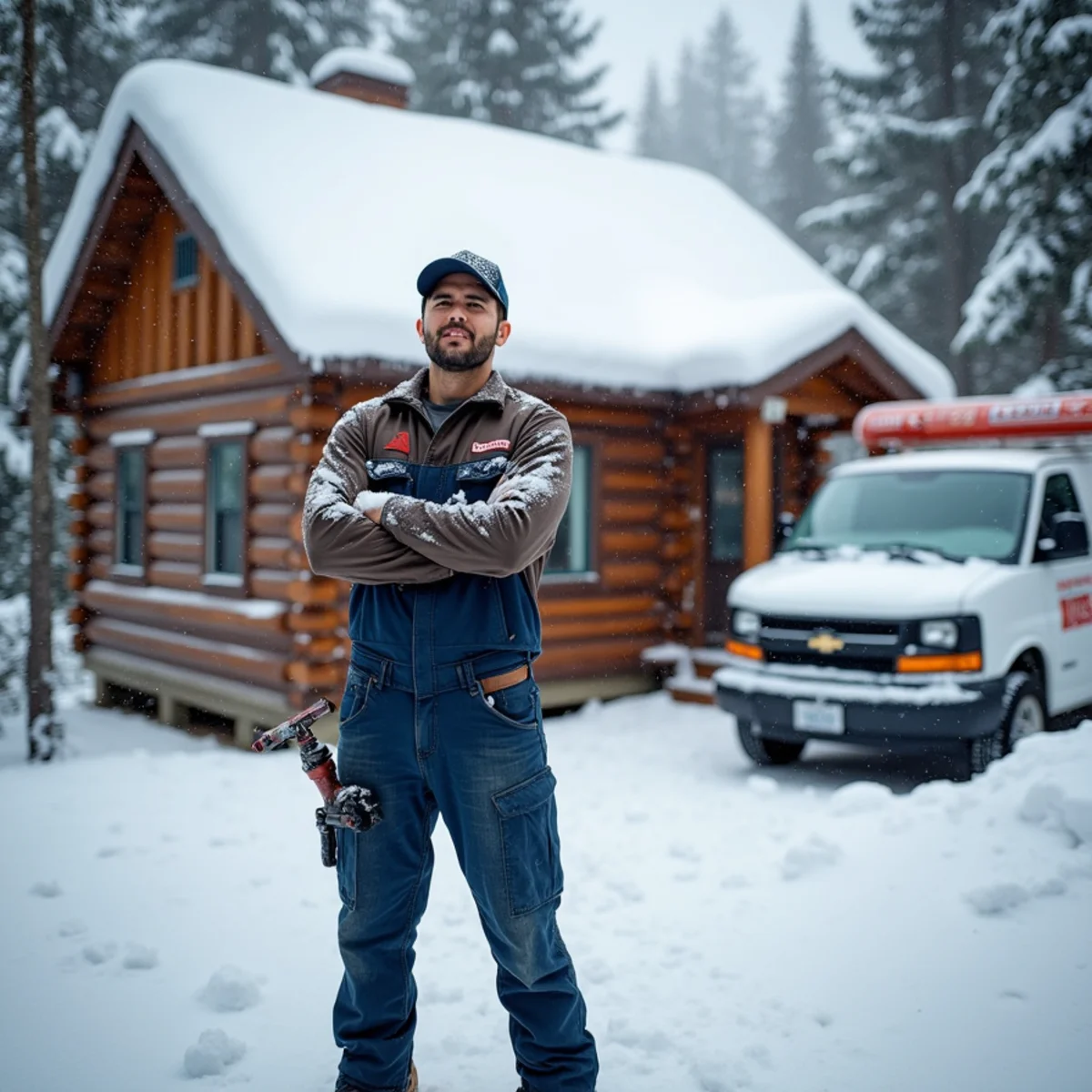
Most of San Diego County never thinks about frozen pipes. Julian, at about 4,200 feet, is the exception — it gets real snow and hard freezes every winter. If you own a cabin or mountain home here, especially one that sits empty during cold snaps, winterizing your plumbing is the difference between a quiet season and returning to a burst-pipe flood.
The number-one Julian winter plumbing call: burst pipes from freezing. The number-one prevention: proper winterization before the first hard freeze.
Why pipes burst when they freeze
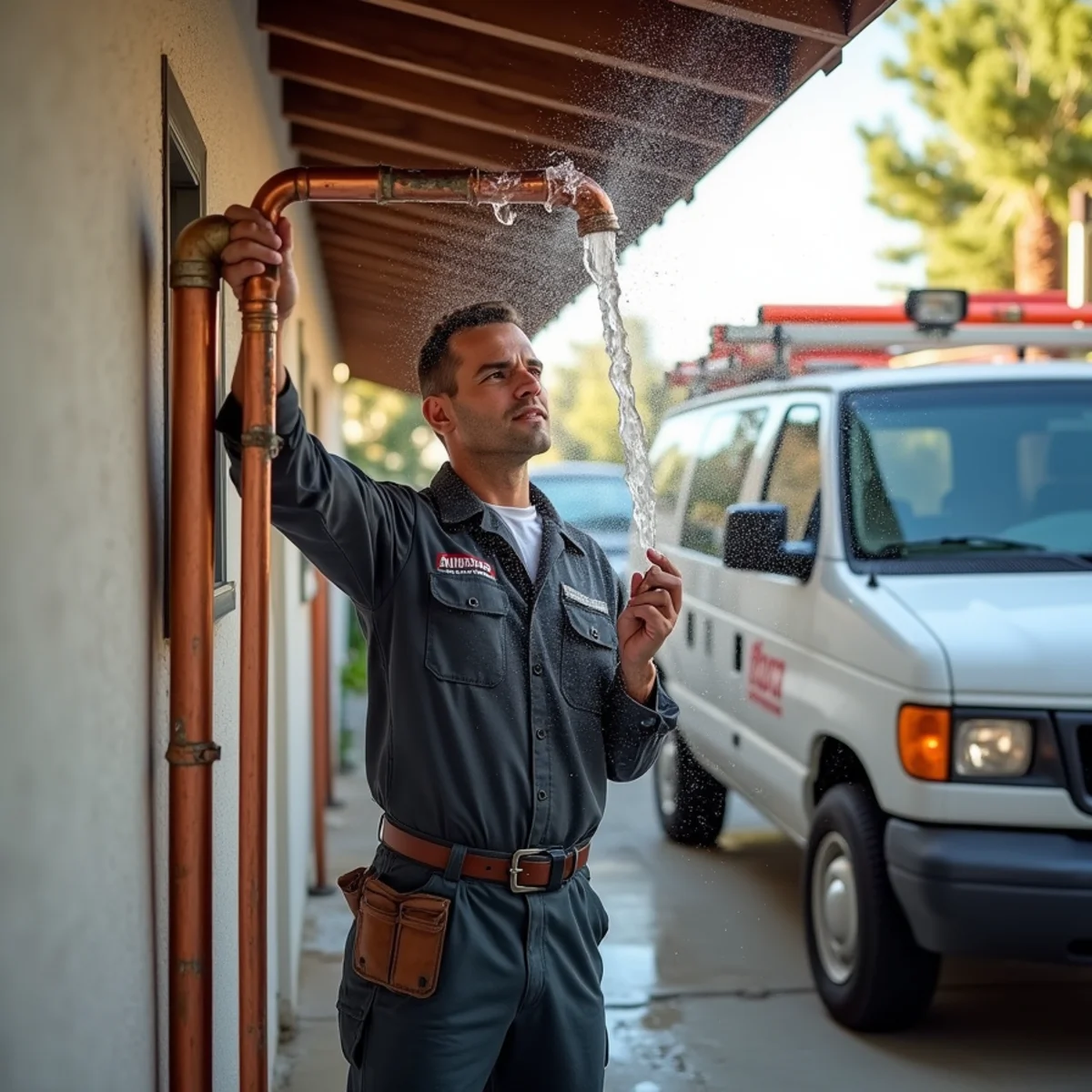
When water freezes it expands. Trapped in a pipe, that expanding ice builds enormous pressure — not always at the ice itself, but often downstream — until the pipe or a fitting fails. When it thaws, the crack releases water freely, which is why so many freeze breaks are discovered as active leaks days later, sometimes in an empty cabin where damage compounds unseen.
Winterizing an occupied cabin
- Insulate exposed pipes in crawlspaces, garages, and exterior walls.
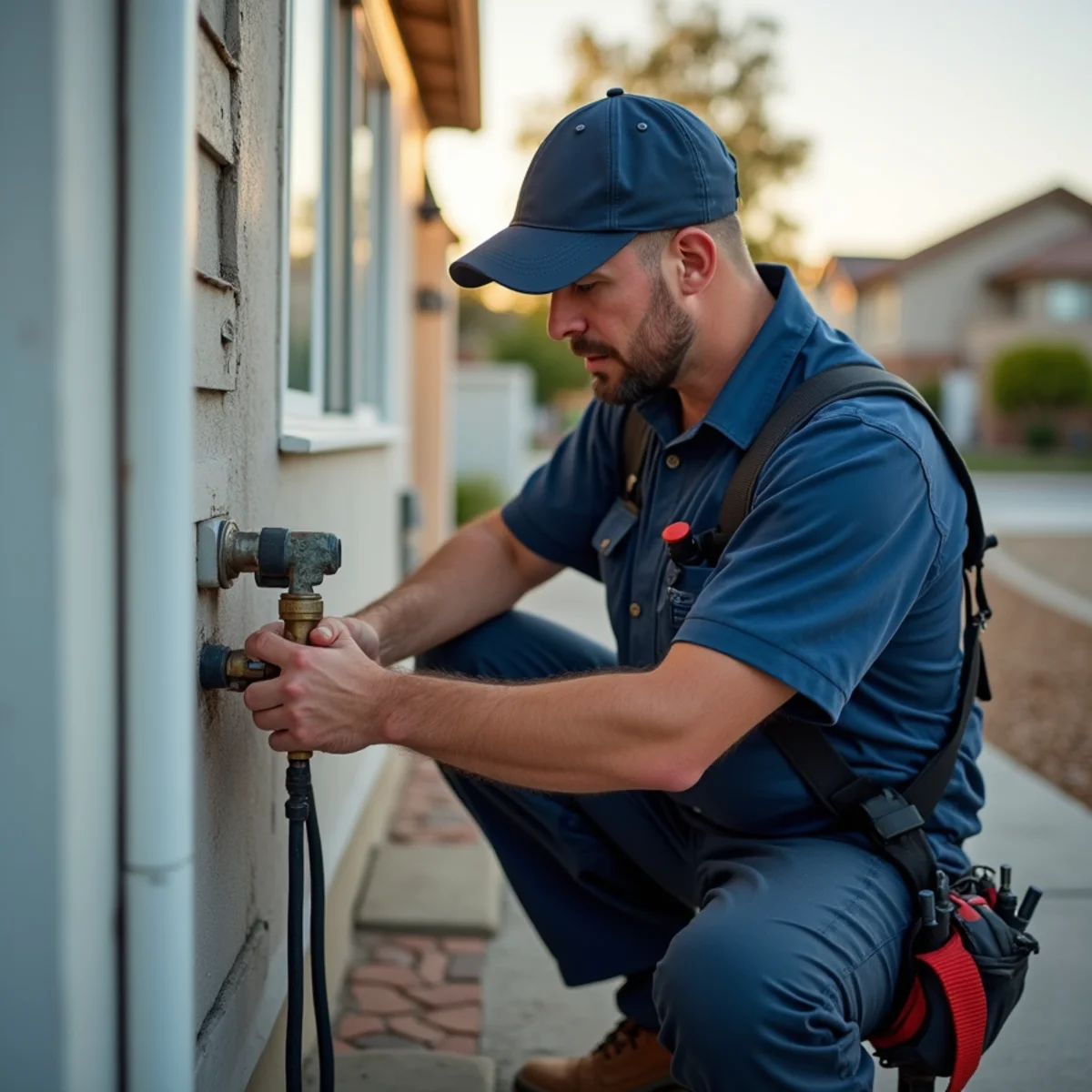
- Cover hose bibs with insulated covers and disconnect garden hoses.
- Keep the heat on (at least ~55°F) even when away for short trips.
- Let a faucet drip during hard freezes to relieve pressure.
- Seal drafts near pipe runs and open cabinet doors to let warm air reach plumbing.
Winterizing a vacant cabin
For a cabin you’re leaving empty through winter, the safest approach is to fully winterize: shut off the main water supply, drain the system and water heater, and add non-toxic antifreeze to traps so they don’t freeze and crack. This is the same logic as winterizing nearby backcountry areas like Santa Ysabel and Warner Springs, where cold snaps break unprotected lines and stock-water plumbing.
If a pipe already froze
If you find a frozen pipe, shut off the main immediately in case it has cracked, and warm the area gently — never with an open flame. If it has burst, keep the main closed and call us. We repair freeze breaks and then insulate and protect the vulnerable runs so the same spot doesn’t fail next winter. In Julian, the repair and the prevention are one conversation.
Plan before the snow
The best time to winterize is before the first freeze, not after the first burst. A pre-season plumbing check — insulation, hose bibs, shut-off location, and a winterization plan for vacant periods — is inexpensive insurance against a very expensive, very cold surprise.
The vacant-cabin mistake we see every spring
Every spring we get calls from Julian and Santa Ysabel cabin owners who return to a burst pipe that’s been dripping behind a wall for weeks. The pattern is almost always the same: the cabin was left with water on and heat off during a hard freeze. For a home that sits empty through winter, half-measures aren’t enough — the safe move is a full winterization: shut off and drain the system and water heater, and protect the traps. It takes an afternoon and it prevents the single most expensive plumbing failure a mountain second-home faces.
The honest tradeoff: full winterization means no water when you visit mid-winter, so occupied cabins get insulation, hose-bib covers, kept heat, and a dripping faucet on the coldest nights instead. The right approach depends on how the cabin is used — we’ll set it up either way before the snow.
Frequently Asked Questions
Pipes are at risk when temperatures drop below about 20°F, especially exposed or poorly insulated runs. In Julian’s hard freezes that threshold is regularly crossed, so winterization isn’t optional for mountain homes.
For a cabin left empty through winter, yes — shutting off and draining the system, including the water heater, and protecting traps is the safest way to prevent freeze damage while you’re away.
For an occupied-but-unattended cabin, keep the heat no lower than about 55°F and let a faucet drip on nights below freezing to relieve pressure. For a cabin left empty all winter, don’t rely on heat at all — fully drain and winterize the system so a power or furnace failure can’t cause a burst.
Yes, during hard freezes — opening cabinet doors under sinks lets warm room air reach the supply lines against exterior walls, which are the most freeze-prone. It’s a small step that meaningfully reduces the risk on the coldest Julian nights.
Related Services & Areas
North County Pro Plumbing of San Marcos
Licensed C-36 plumbing contractor (CA CSLB #1122334 · C-36 Plumbing) serving San Marcos and North County since 2009. This guide is for general information — for a diagnosis specific to your home, call (831) 290-4327.