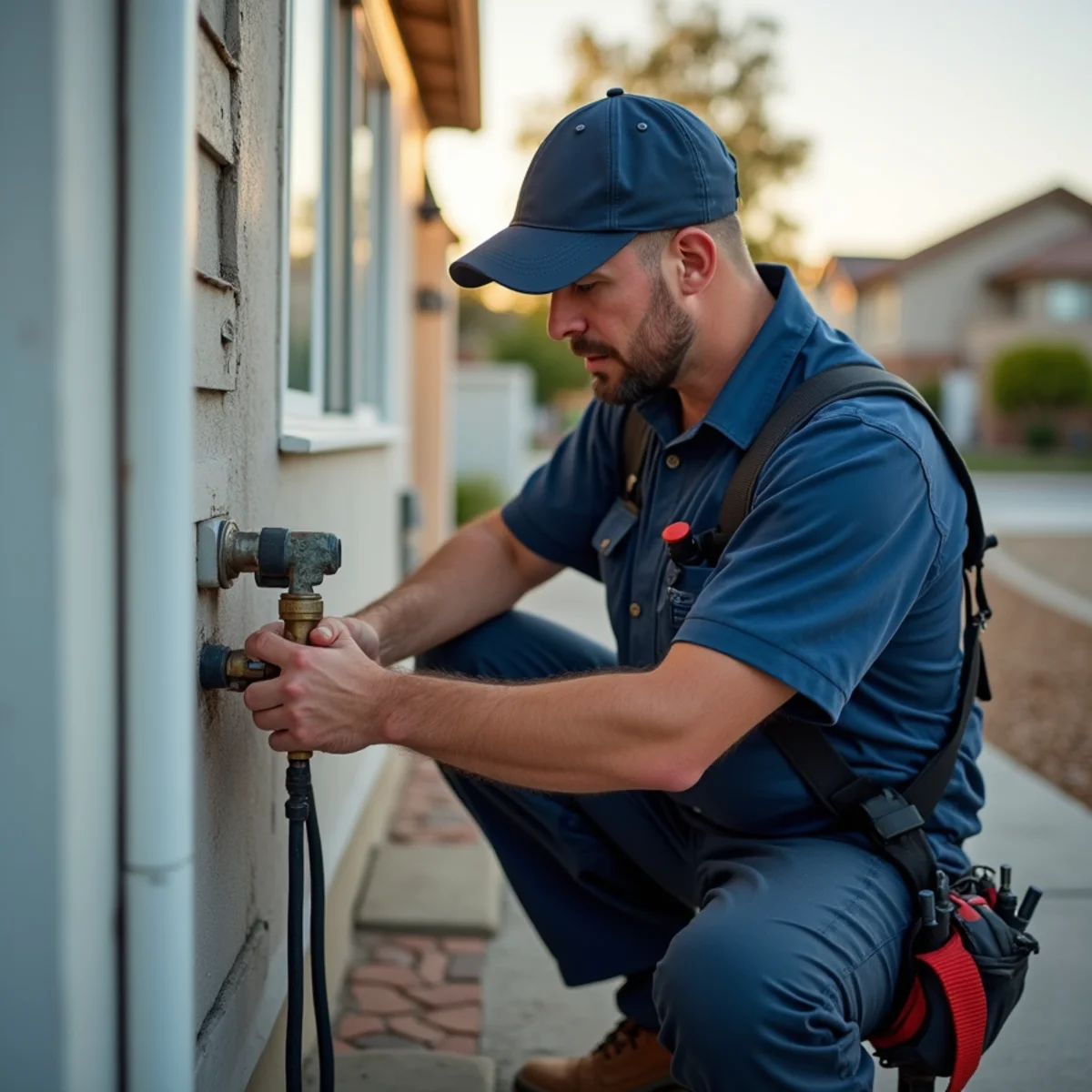
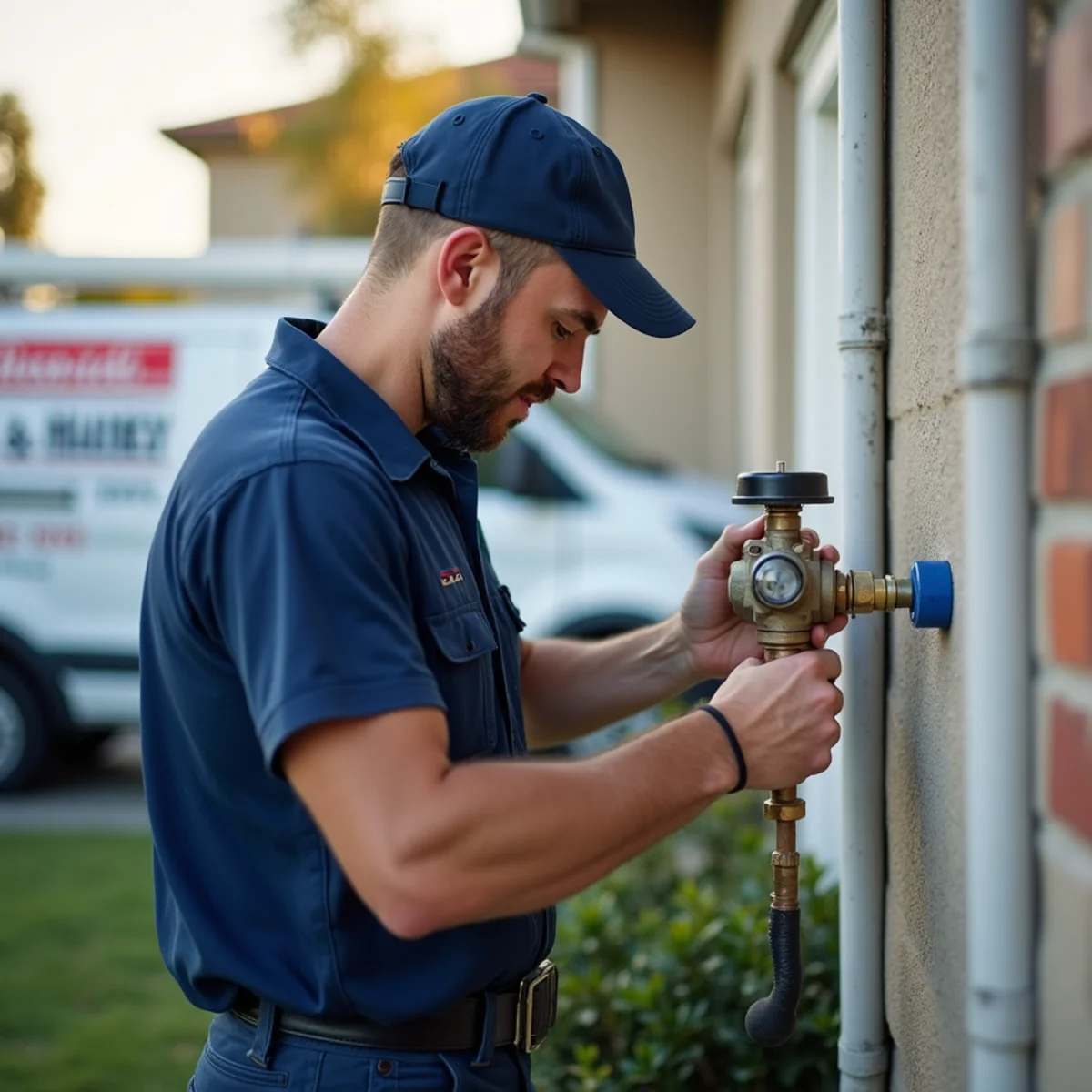
Low water pressure has many culprits, from a failing regulator to hidden leaks. Here are the seven most common causes in North County homes.
Weak showers, faucets that trickle, and appliances that take forever to fill — low water pressure is one of the most common complaints we hear. The tricky part is that it has many possible causes, and the fix depends entirely on which one you have. Here are the seven we see most in North County.
1. A failing pressure regulator
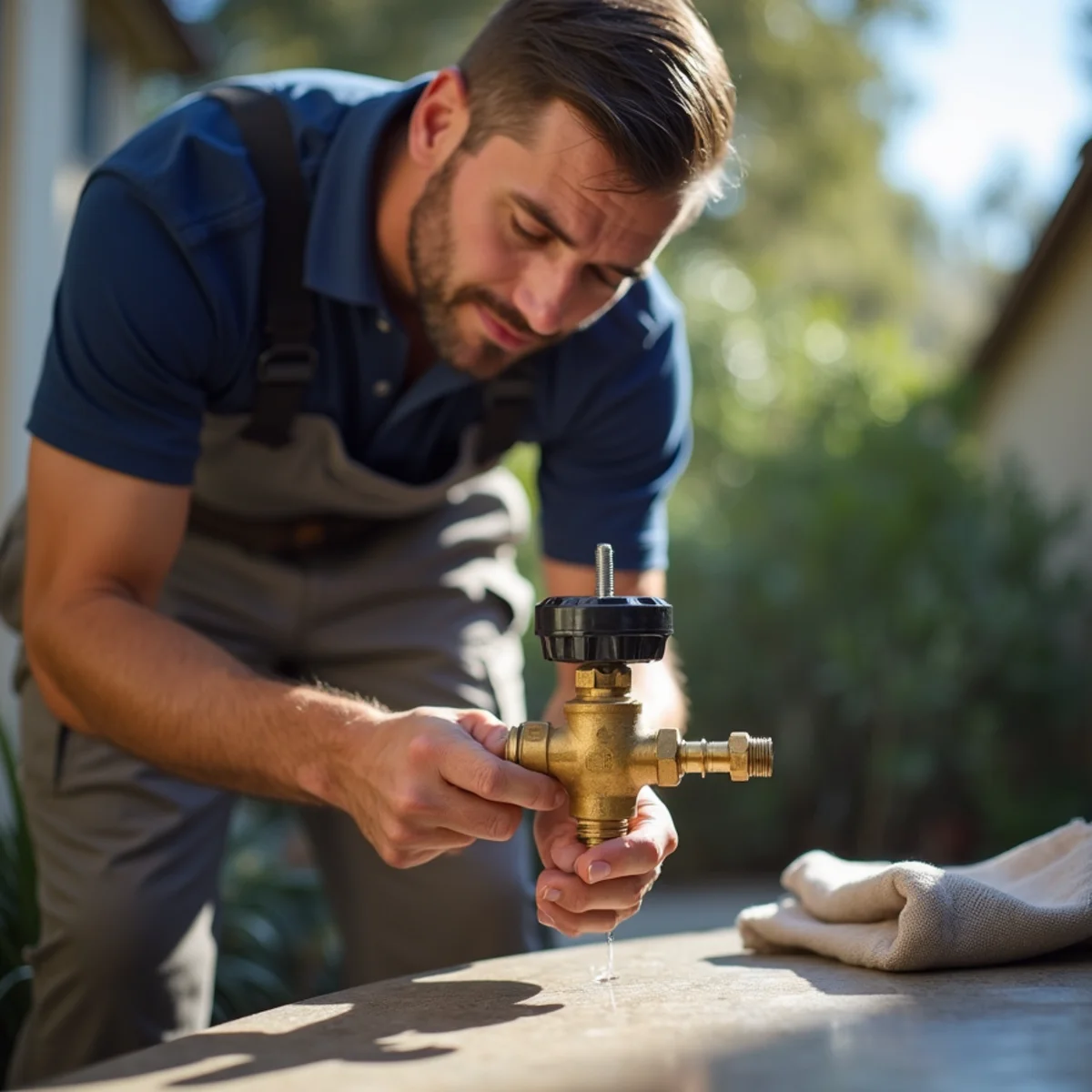
Most homes have a pressure regulator (PRV) where the main line enters. When it fails, pressure can drop across the whole house — or spike dangerously high. A failing PRV is one of the most common and most fixable causes, so it’s the first thing we check.
2. Corroded galvanized pipe
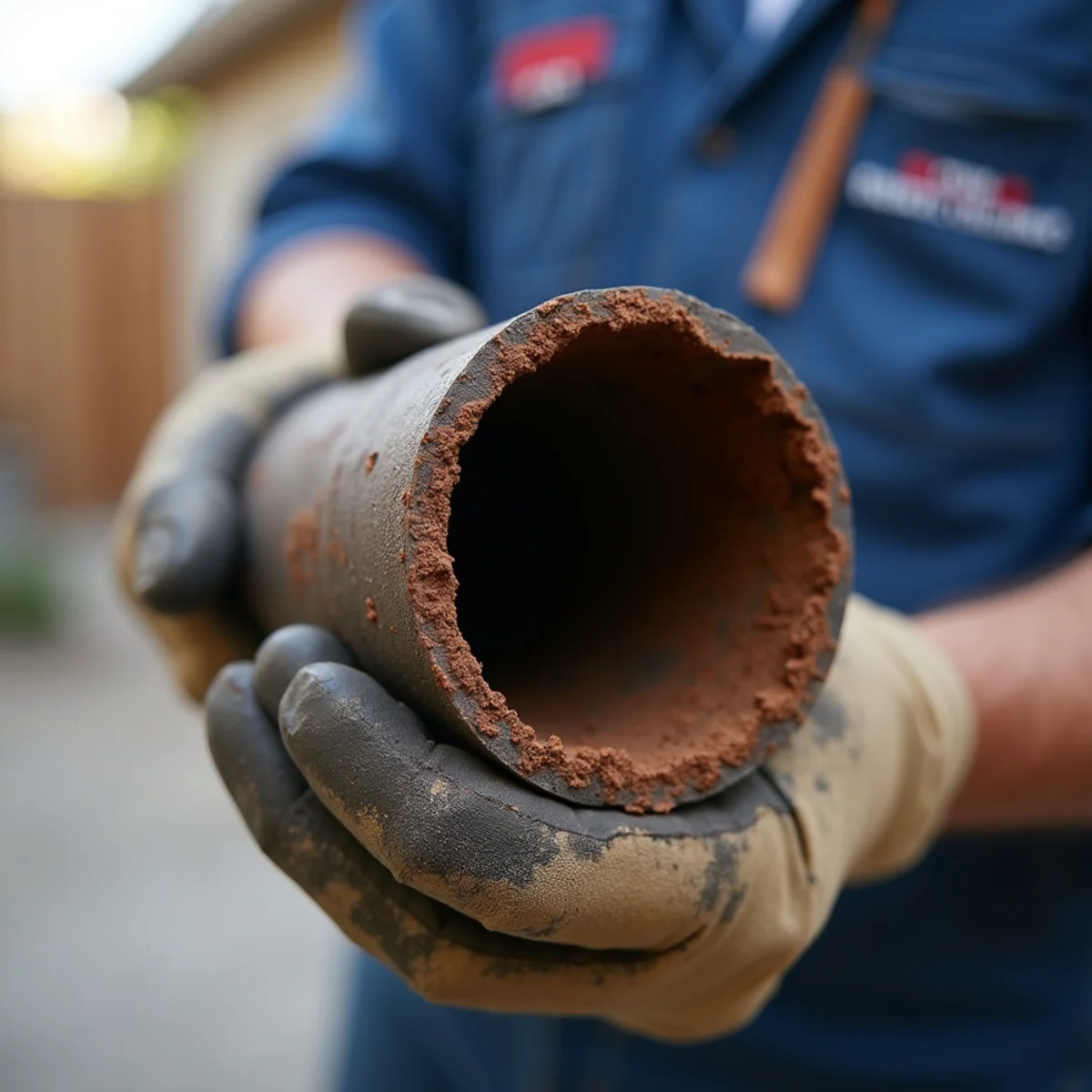
In older homes — think 1950s–70s tracts in Vista or Costa Mesa — galvanized supply lines corrode from the inside, narrowing the passage until pressure and flow suffer. Rusty water alongside low pressure is the classic sign. The lasting fix is repiping in PEX or copper.
3. Hard-water scale
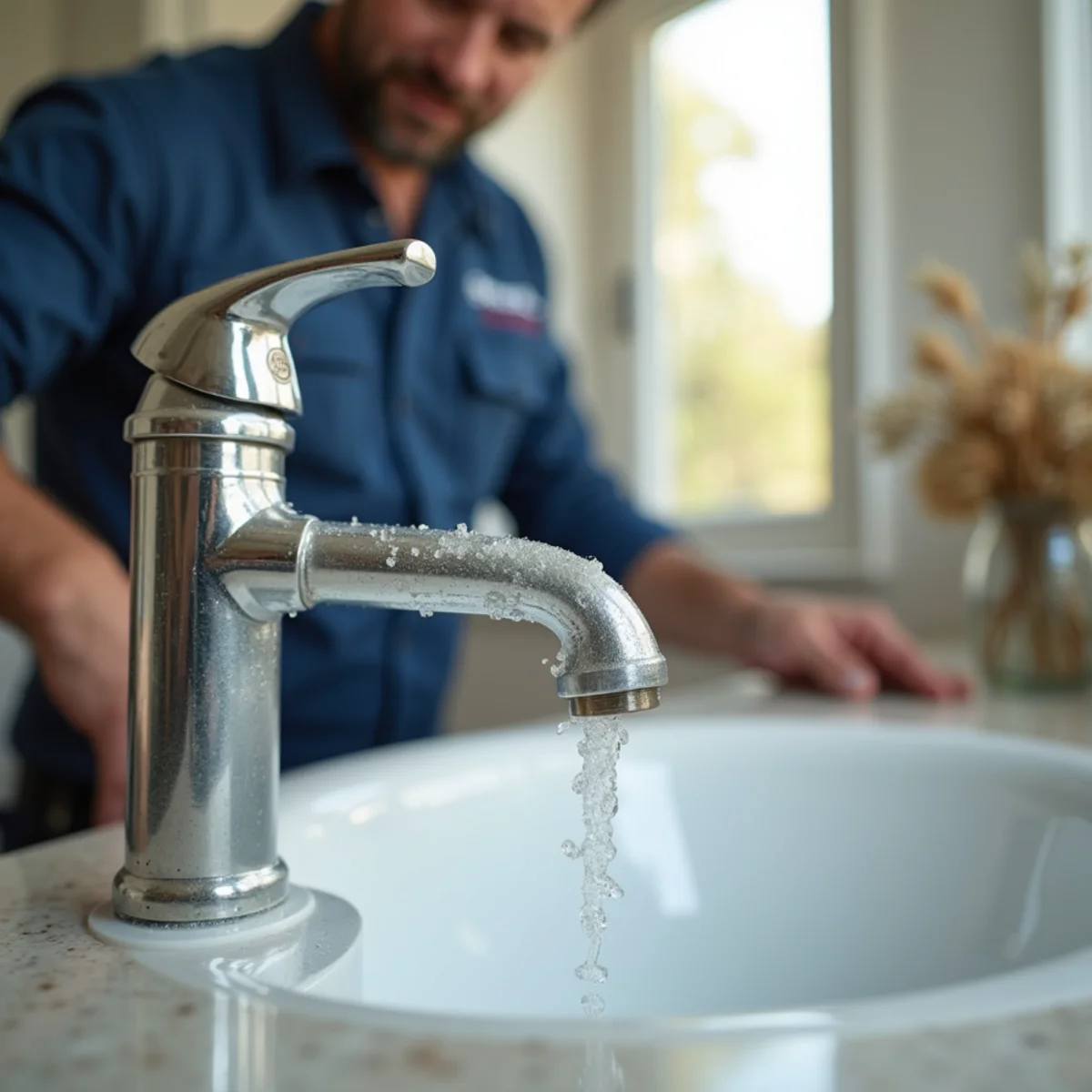
Hard Vallecitos water deposits scale in aerators, cartridges, valves, and pipes, gradually restricting flow. If pressure is low at one fixture, a clogged aerator or cartridge is often the cause; if it’s low throughout, scale plus other factors may be at work.
4. A hidden leak or slab leak

- A leak upstream of your fixtures bleeds off pressure before it reaches them.
- Watch for a rising water bill, a moving meter with everything off, or warm floor spots.
- Slab leaks in aging copper are a common North County cause and need electronic detection.
5. A partially closed valve
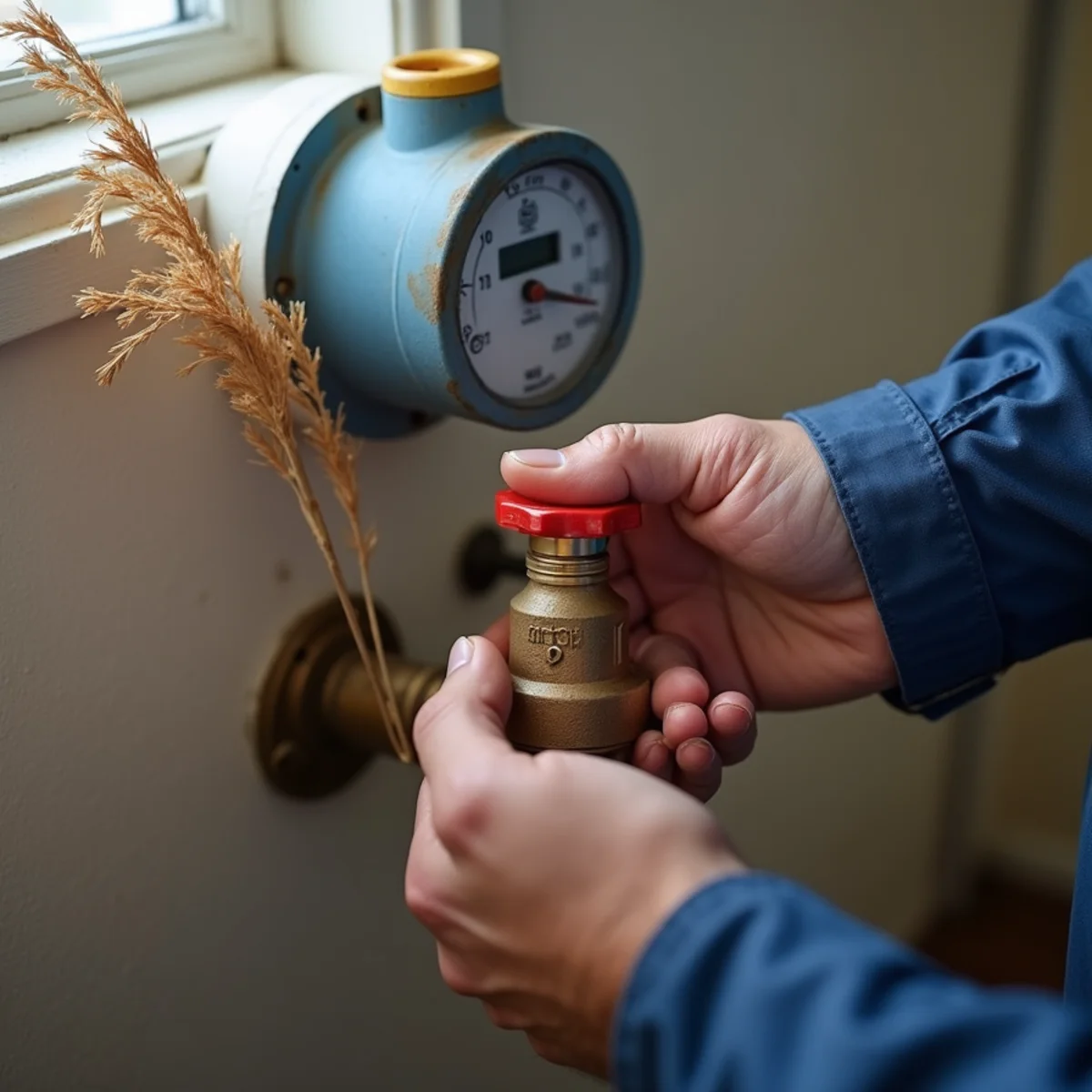
Sometimes the cause is simple: a main or fixture shut-off valve that isn’t fully open, often after recent work. It’s always worth confirming valves are wide open before assuming a bigger problem.
6. Municipal supply or demand issues
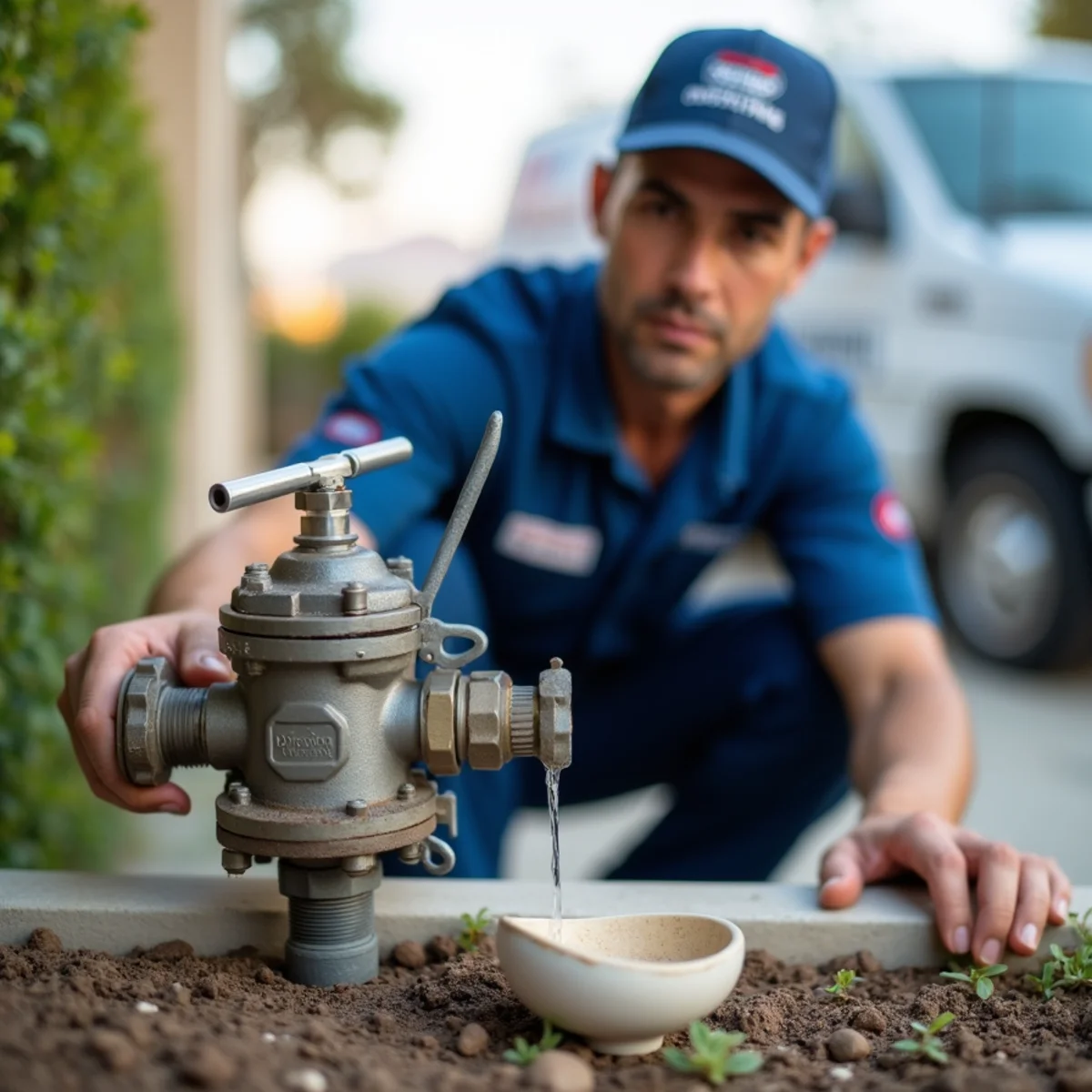
Occasionally low pressure comes from the street — a municipal issue, a shared line, or high demand times. On long private lines in rural areas like Fallbrook or Valley Center, distance and elevation also reduce pressure at the house.
7. Undersized or restricted piping
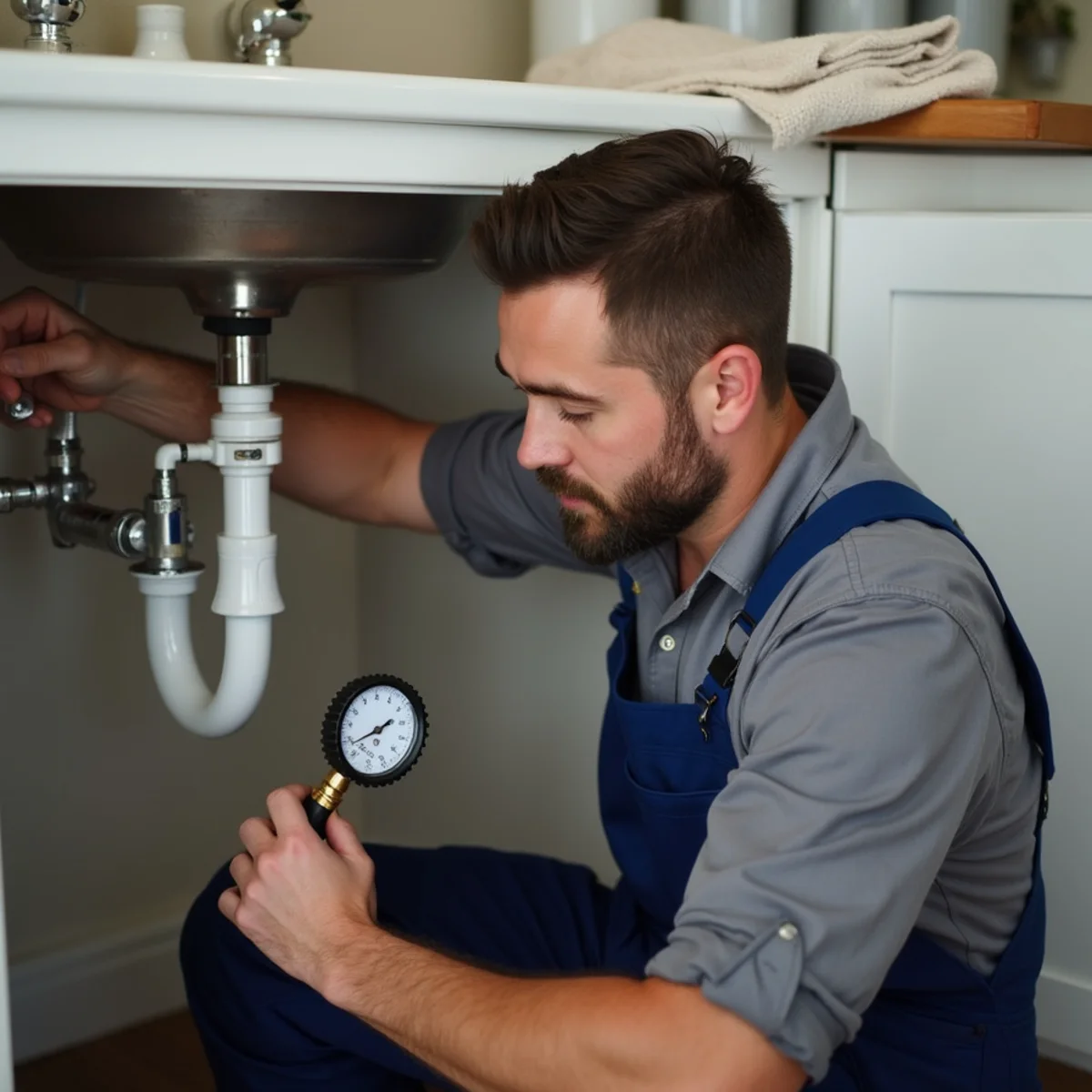
Undersized supply lines or a restriction from a prior repair can limit flow, especially when multiple fixtures run at once. Diagnosing this takes a pressure test and a look at the whole system rather than a guess.
The fix depends on the cause — which is why we test rather than guess. A pressure test, fixture inspection, and a check of the regulator usually pinpoint it quickly.
How we diagnose it in the right order
When we get a low-pressure call, we don’t start replacing pipe — we work cheapest-to-most-expensive. First we confirm the main and fixture valves are fully open and check the pressure regulator, because a failing regulator is common and inexpensive. Then we test static pressure and check for a hidden leak bleeding it off. Only after those do we look at scale, corroded galvanized, or undersized runs that call for repiping. Diagnosing in that order means a lot of homeowners who feared a repipe walk away with a $200 regulator fix.
The honest part: sometimes it genuinely is the whole system, especially in old galvanized homes. But you deserve to rule out the simple causes first, and a plumber who jumps straight to “you need a repipe” without a pressure test hasn’t earned that recommendation.
Frequently Asked Questions
Rarely. If it came on gradually it usually signals scale, corrosion, a failing regulator, or a leak — all of which get worse, not better. A quick diagnostic identifies the cause before it becomes a bigger repair.
When testing confirms corroded or scaled supply pipe is the cause, yes — repiping restores full flow. But we check the regulator and test first, since sometimes it’s a single inexpensive part, not the whole system.
It can if it’s undersized, overdue for maintenance, or clogged with resin — a softener adds a flow restriction, and a neglected one can drop pressure noticeably. If your pressure fell after a softener was installed or as it aged, that’s worth checking before assuming a pipe problem.
Low pressure on the hot side alone usually points to the water heater — sediment buildup, a failing shut-off on the hot outlet, or scale in the lines closest to the tank. In hard-water North County, sediment is the usual culprit, and flushing often helps.
Related Services & Areas
North County Pro Plumbing of San Marcos
Licensed C-36 plumbing contractor (CA CSLB #1122334 · C-36 Plumbing) serving San Marcos and North County since 2009. This guide is for general information — for a diagnosis specific to your home, call (831) 290-4327.