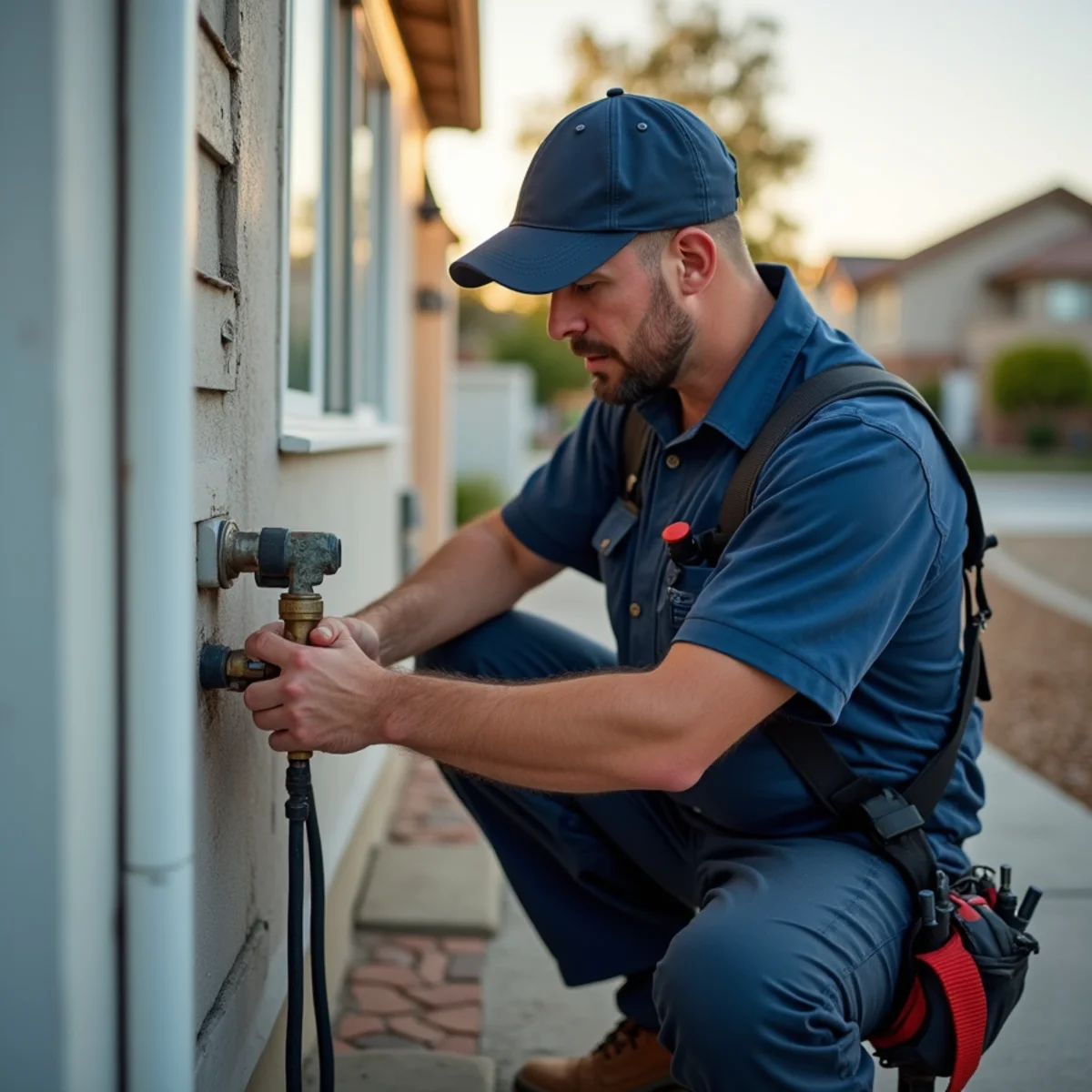
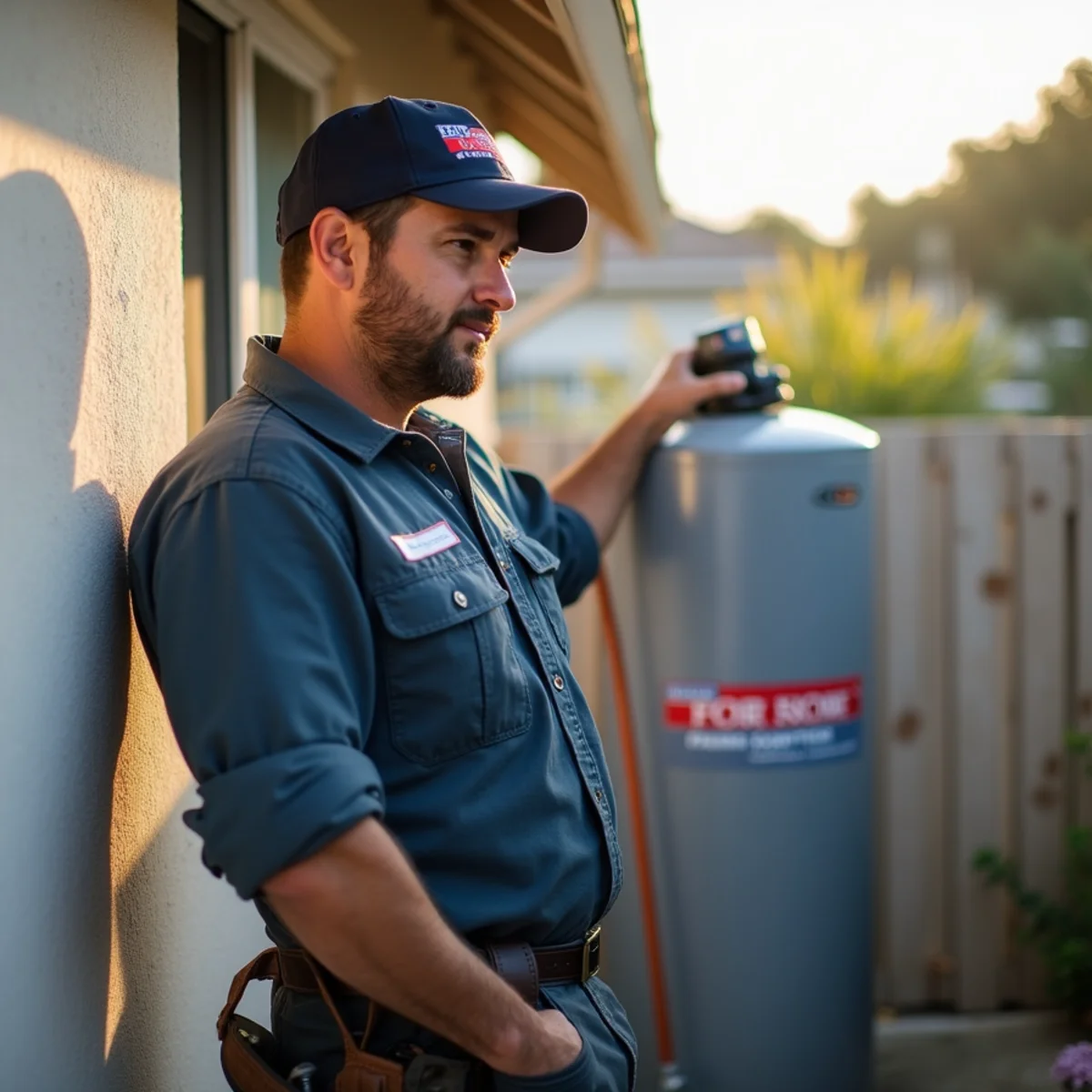
Suddenly no hot water? Here’s a safe, step-by-step way to narrow down the cause on gas and electric heaters — and when to stop and call a plumber.
If you suddenly have no hot water, the cause is usually one of a few things: a pilot light or gas supply issue on a gas heater, a tripped breaker or failed heating element on an electric heater, or a unit that has simply reached the end of its life. Here’s how to narrow it down safely — and the point where you should stop and call a plumber.
First, check the obvious
- 1Confirm it’s only hot water that’s affected — if there’s no water at all, the problem is upstream of the heater.
- 2Check whether it’s the whole house or one fixture — a single cold tap can be a fixture or mixing-valve issue, not the heater.
- 3Note any recent changes — a power flicker, a gas interruption, or a very cold night can all trigger a loss of hot water.
For a gas water heater
Look at the status light or pilot. If the pilot is out, modern units have a safe re-light procedure printed on the tank — follow it exactly. If it won’t stay lit, the thermocouple or gas valve may be failing. If you smell gas at any point, stop: leave the property and call the gas utility or 911 from a safe location, then call a licensed plumber. Never troubleshoot a gas smell yourself.
For an electric water heater
Check the breaker — a tripped breaker is a common and easy fix. If it trips again immediately, don’t keep resetting it; that points to an electrical fault that needs a professional. If the breaker is on but there’s no hot water, a failed upper or lower heating element or thermostat is the usual cause, which is a straightforward repair for a plumber or electrician.
Two signs to skip troubleshooting and call now: any smell of gas (leave and call the utility first), or water pooling around the base of the tank (the tank has failed — shut off its water supply if safe and call for replacement before it floods).
When it’s the tank, not a part
Hard Vallecitos water shortens water-heater life across San Marcos, so a heater that’s 10–12 years old and losing hot water is often near the end rather than facing a simple repair. We diagnose the real cause — element, thermostat, gas valve, or a spent tank — and give you honest repair-vs-replace numbers. If it’s a leaking tank, that’s a same-day replacement, not a repair.
Lukewarm instead of no hot water?
Lukewarm water is a different clue than no hot water at all. On an electric heater, it often means one of the two heating elements has failed — the other still works, so you get partial heating. On a gas unit, a failing thermostat or a burner struggling under heavy sediment can leave water tepid. Running out of hot water quickly, rather than never getting hot, points to an undersized tank, a dip-tube problem, or heavy sediment stealing tank capacity. We diagnose which it is rather than guessing, because the fix for a bad element is very different from the fix for a spent tank.
Frequently Asked Questions
Common causes are a pilot or gas issue on a gas heater, a tripped breaker or failed element on an electric heater, or a tank that has reached the end of its life. Checking the pilot or breaker first narrows it down quickly.
If you don’t smell gas, yes — modern gas heaters print a safe re-light procedure on the tank; follow it exactly. If you smell gas at any point, stop, leave the property, and call the gas utility or 911 first. If the pilot won’t stay lit, call a licensed plumber.
Hard water shortens lifespan here — many tanks last 8–12 years, toward the lower end without maintenance. A heater past a decade that’s losing hot water is often near the end, so it’s worth weighing a planned replacement against repeated repairs.
Related Services & Areas
North County Pro Plumbing of San Marcos
Licensed C-36 plumbing contractor (CA CSLB #1122334 · C-36 Plumbing) serving San Marcos and North County since 2009. This guide is for general information — for a diagnosis specific to your home, call (831) 290-4327.