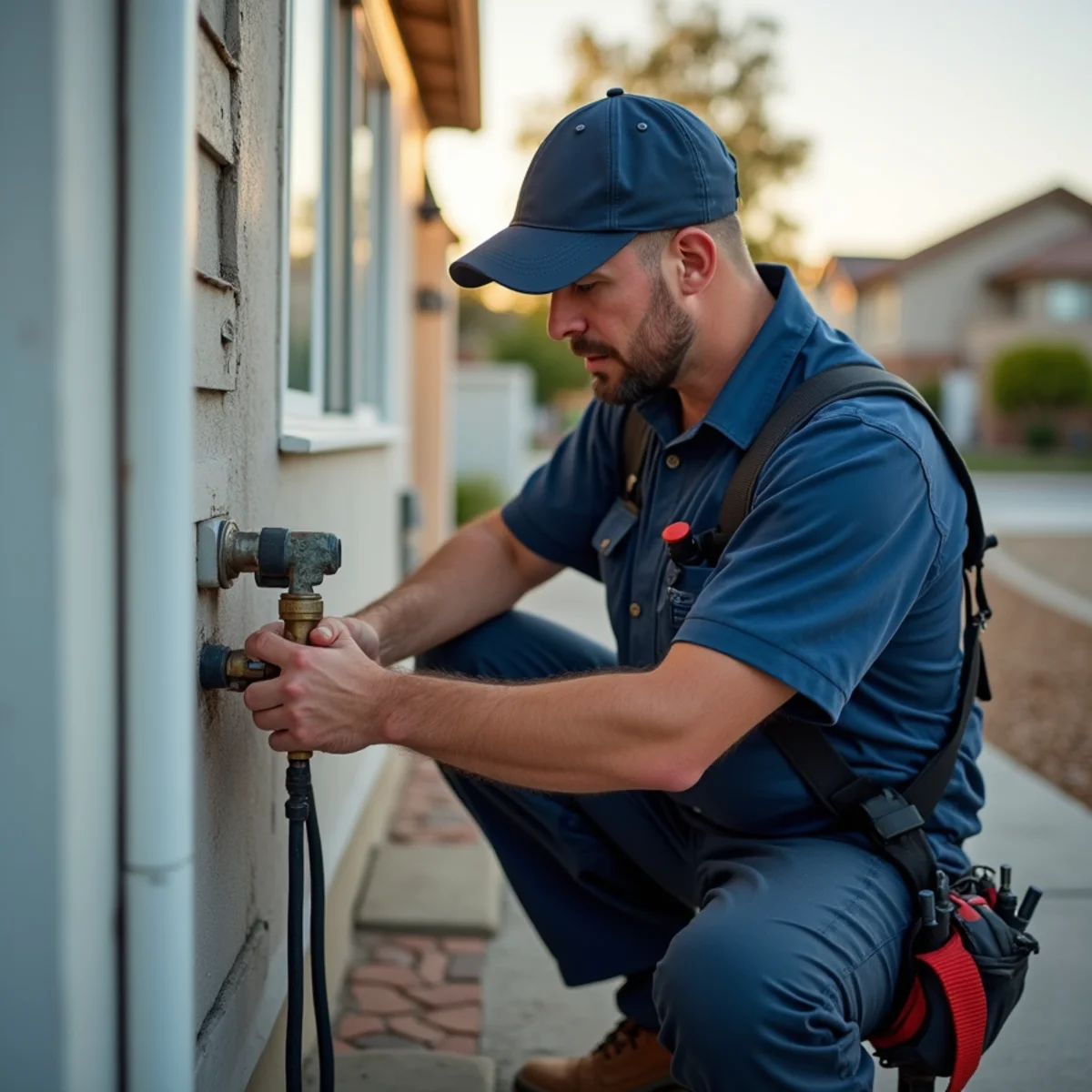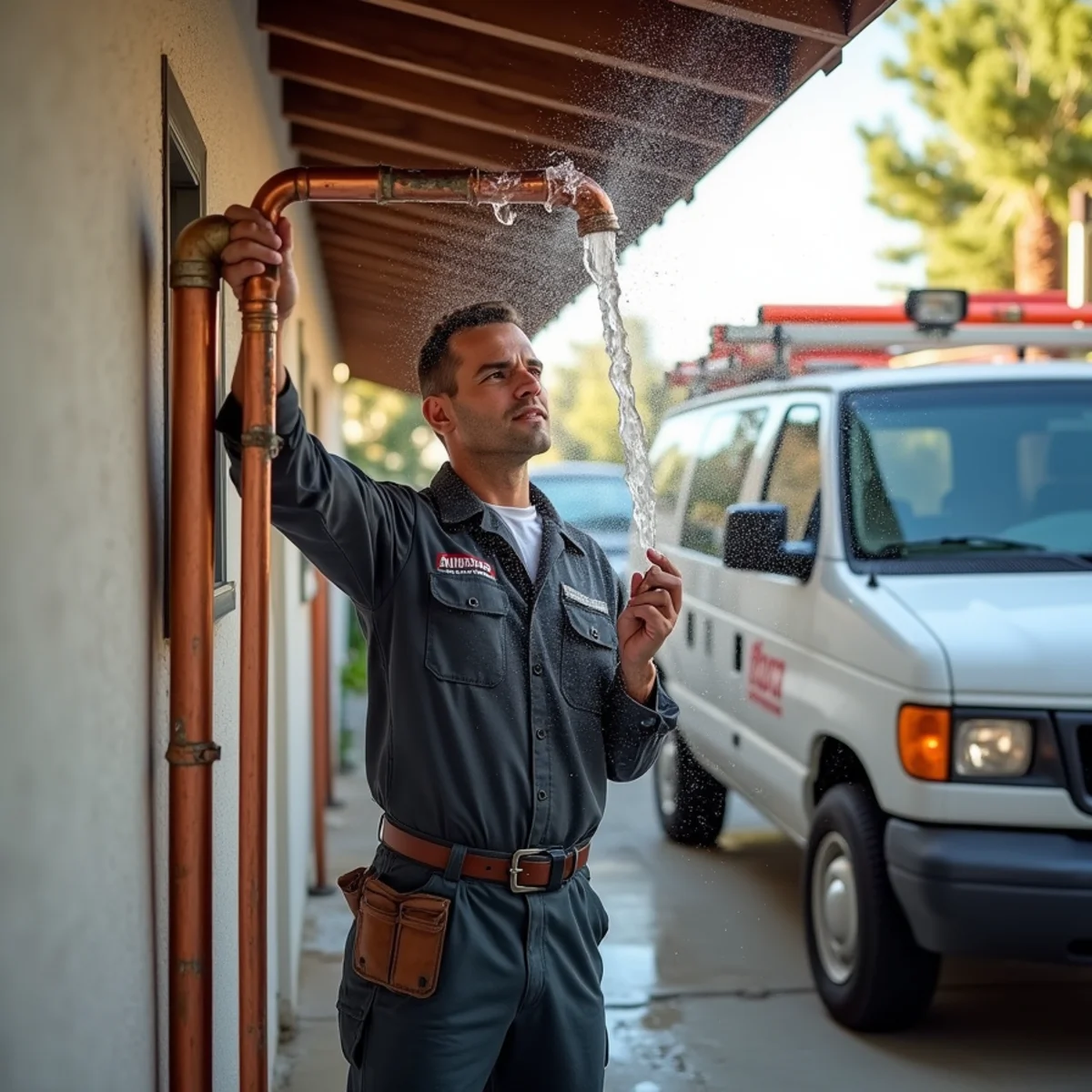
A failing water heater almost always warns you first. Here are the five signs — and why acting early beats an emergency flood.
A water heater rarely dies without warning. It usually drops hints for weeks or months before it fails — and catching those hints means a planned replacement on your schedule instead of an emergency flood in the garage. Here are the five signs North County homeowners should never ignore.
1. Rusty or discolored hot water

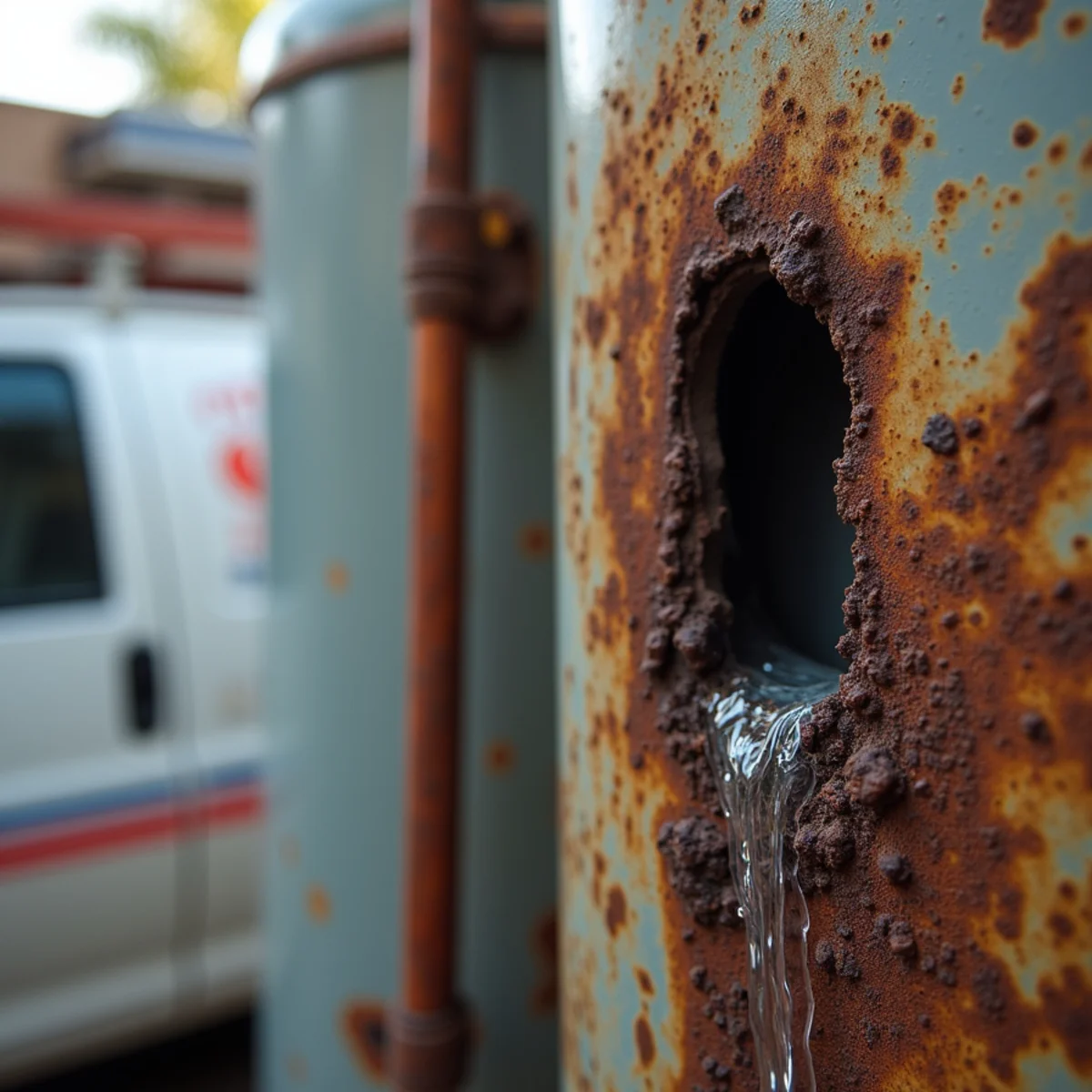
If your hot water runs rusty, brown, or metallic-smelling while cold water is clear, the tank is likely corroding from the inside. In hard-water areas that corrosion is accelerated by scale. Once a tank is rusting internally, replacement is on the horizon — this is not a wait-and-see sign.
2. Rumbling, popping, or crackling noises

Those sounds are sediment and scale on the tank bottom — the hallmark of hard Vallecitos water. The buildup insulates the burner or element, making the unit work harder, run less efficiently, and wear out faster. Flushing can help early, but persistent noise on an older tank signals it’s near the end.
3. Water pooling around the base
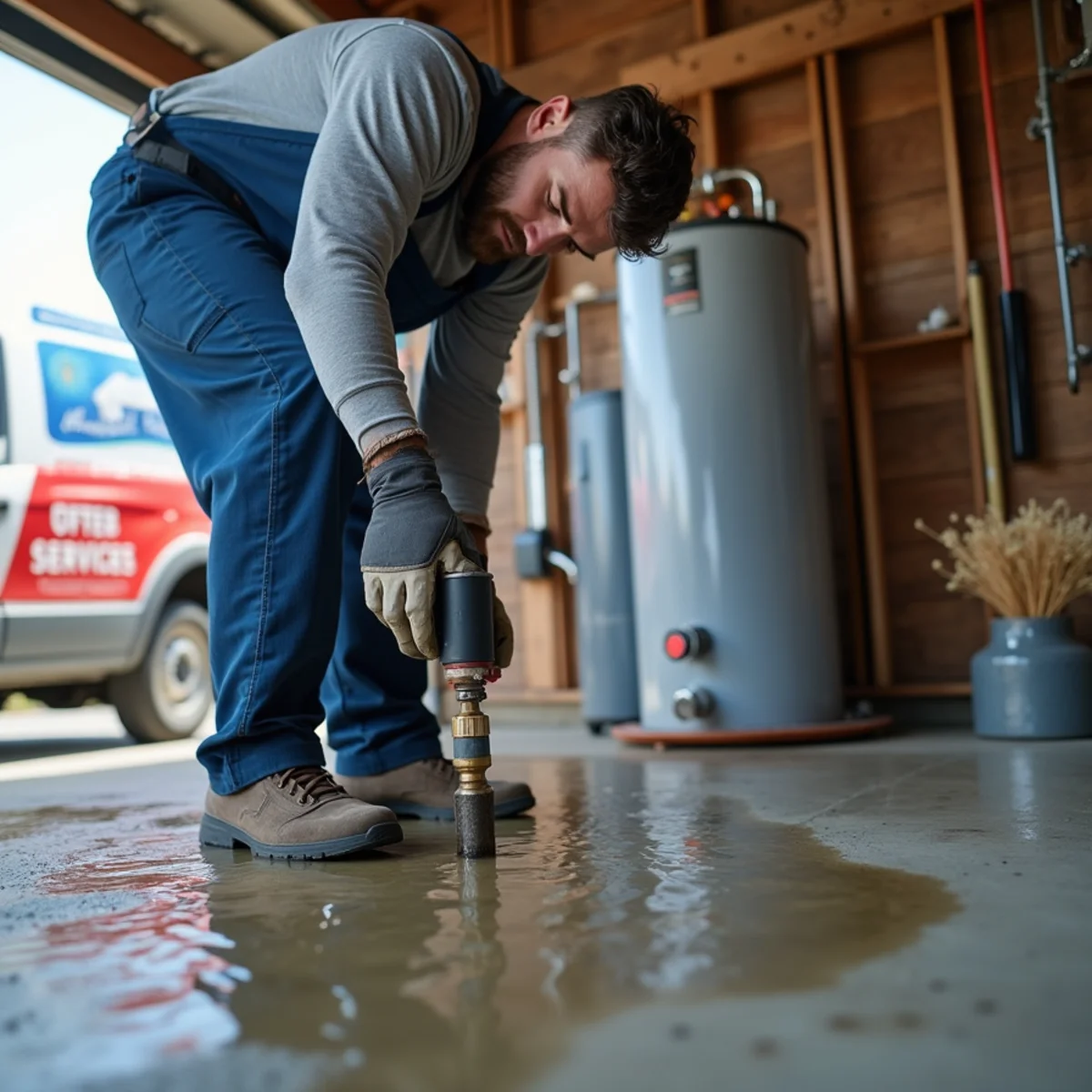
Water around the base of the tank is the most urgent sign. A leaking tank has failed structurally and needs replacement before it floods — no repair will save it.
4. Not enough hot water, or it runs out fast

If showers turn cold sooner than they used to, or the water never gets fully hot, the heater is losing capacity — often from sediment taking up tank volume or a failing element or thermostat. Sometimes it’s a repairable part; on an older unit, it’s often the beginning of the end.
5. Age — 10+ years
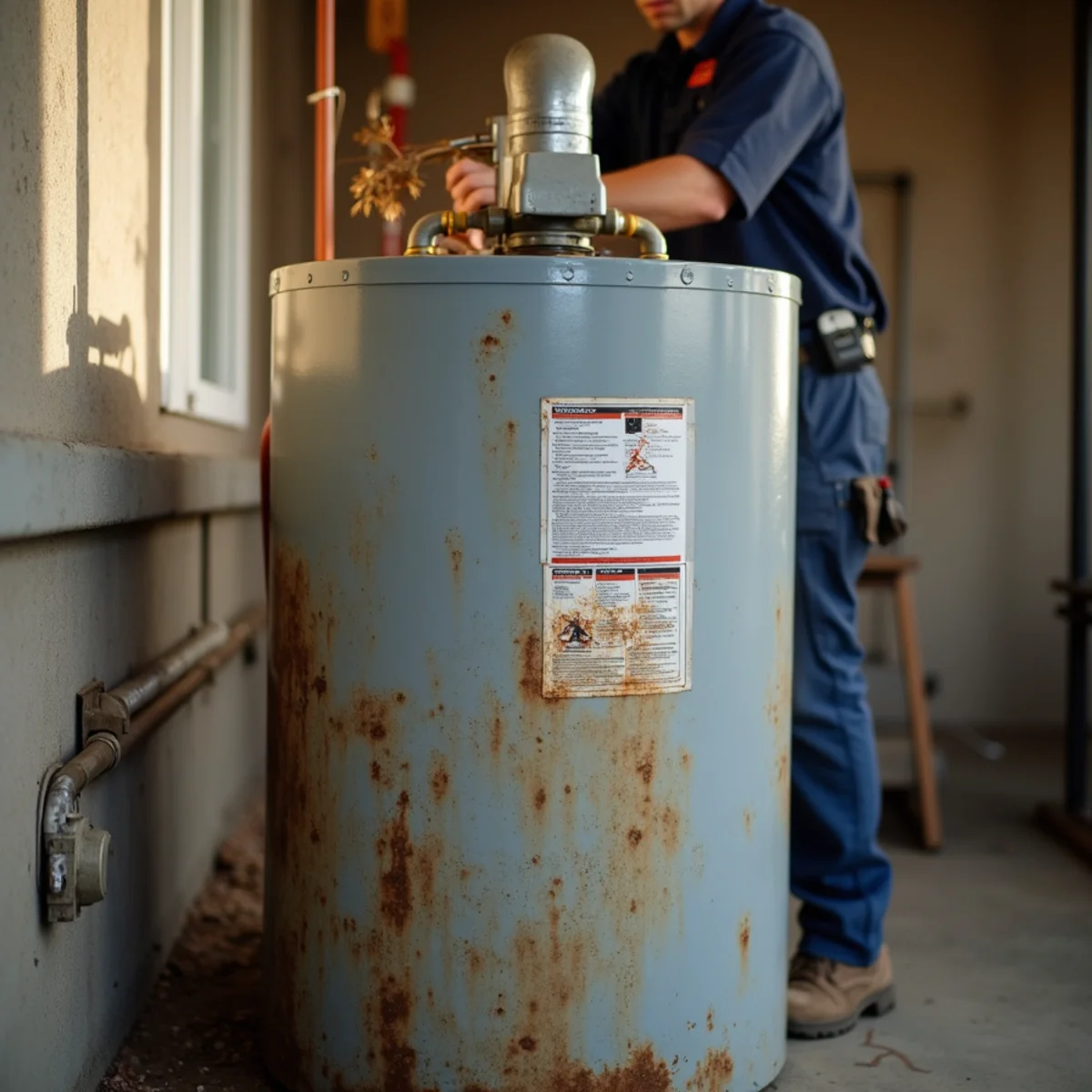
- Most tanks last 8–12 years, and hard water pushes that toward the low end.
- A unit past a decade with any of the above signs is living on borrowed time.
- Planning a replacement beats an emergency swap plus water damage.
Why acting early pays
A planned replacement lets you choose the right unit, compare tank vs. tankless, and schedule the work — often for less than an after-hours emergency plus flood cleanup. In fast-scaling areas like Temecula and across North County, staying ahead of a failing heater is one of the easiest ways to avoid a bad day. When in doubt, we’ll assess it honestly and tell you whether it’s repair or replace.
Why acting early beats an emergency swap
A water heater almost always warns you before it fails, and the homeowners who act on the warning save real money. A planned replacement lets you choose the right unit, compare tank versus tankless, schedule it for a convenient day, and avoid the after-hours emergency rate plus the water damage a ruptured tank causes. We’d genuinely rather assess a heater that’s showing signs and give you a few weeks to plan than get the panicked call when it’s flooding the garage. In fast-scaling areas like Temecula and across North County, staying ahead of a failing heater is one of the easiest wins in home maintenance.
The honest test: if your tank is past ten years and showing any of the signs above — rust, noise, seepage, or lost capacity — it’s on borrowed time. Get it assessed now, while you have options, not later, when you don’t.
Frequently Asked Questions
Typically 8–12 years, with hard water pushing toward the shorter end. Annual flushing and correct temperature settings extend it; noise, rust, and age together signal it’s time to plan a replacement.
A tank leaking from its base has failed and can flood — treat it as urgent. Shut off the unit’s water supply if safe and call for same-day replacement before the damage grows.
Rumbling and popping are sediment on the tank floor. Early on, a flush can quiet it and buy life; on an older tank with heavy buildup, the noise signals the unit is near the end. We’ll flush and assess it and tell you honestly which side of that line yours is on.
No. Some condensation is normal on a new or hard-working unit, but actual water pooling at the base means the tank has failed structurally — that’s a replacement, not a repair, and it’s urgent before it floods. Don’t wait it out.
Related Services & Areas
North County Pro Plumbing of San Marcos
Licensed C-36 plumbing contractor (CA CSLB #1122334 · C-36 Plumbing) serving San Marcos and North County since 2009. This guide is for general information — for a diagnosis specific to your home, call (831) 290-4327.